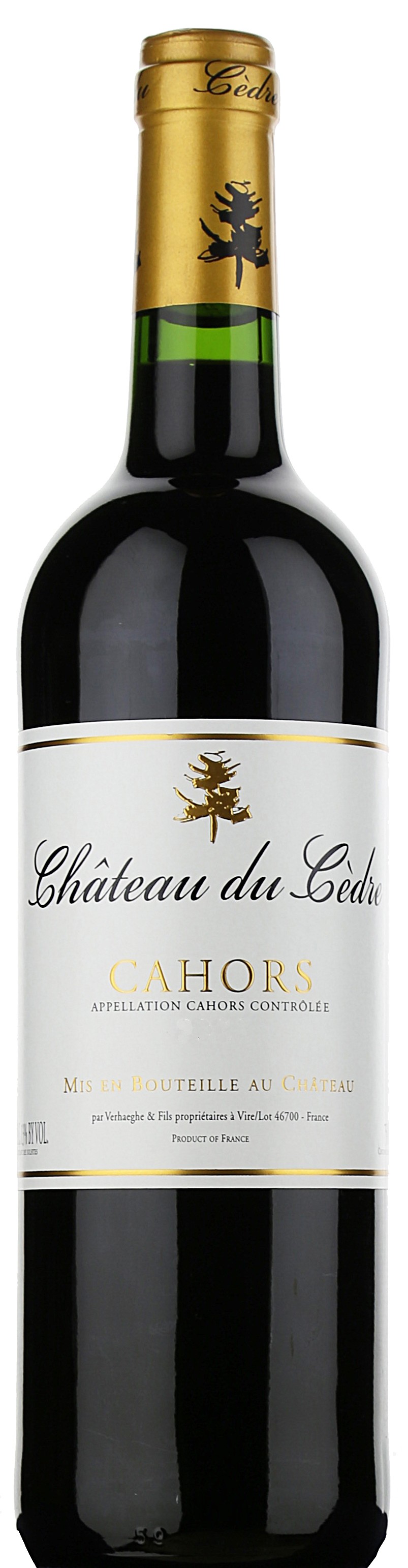
The actual product may vary from the images shown on the website.
Red dry
The wine is clean, with polished tannins, fresh and crisp acidity, and vibrant fruity flavours complemented by notes of sweet spices. A long finish and excellent balance attest to the high quality of the wine.
The wine is made from two different vineyards growing on distinct soils. Stony clay and limestone soil yields superb tannins, while power and density come from clay and stony sand. Maceration lasted 30 days at 28° C. Malolactic fermentation takes place in oak barrels. The wine is aged for 20-22 months in large oak vats and new oak barrels.
Aromas of black berries, plums, liquorice, black olives and vanilla.
The wine's ageing potential is around 20 years.
Serve at 16–18 °C with various meat roasts, mushroom stews and hard aged cheeses.
A balanced, dense and flavorful malbec with plums, dried herbs and baking spices on the nose. Medium-bodied with chalky tannins and fresh acidity. Pulpy and vivid, with a crisp character at the center. Peppery and driven, with a persistent finish. From organically grown grapes. Drink or hold. Feb 19, 2025
Château du Cèdre is one of the best and most renowned producers in the Cahors region of France, having revived the glory of red wine made from Malbec grapes. Discover natural, organic, and deeply structured wines that reflect the unique spirit of the Lot River valley.
About the Winemakers and the Estate's History
The history of Château du Cèdre began in 1958 when Charles (Charly), son of Léon Verhaeghe who hailed from Flanders, planted the first vines on his mixed farm. In 1973, he released the first wine under the estate's label. In the 1990s, his sons – oenologists Pascal and Jean-Marc – took over the management of the estate. Under their leadership, the winery became famous for its unconditional dedication to nature. Today, the third generation – Pascal's sons Jules and Robin – is actively involved in winemaking, carefully continuing the family's traditions.
Exceptional Terroir
The estate owns 27 hectares of vineyards located in the best areas of the Cahors appellation along the Lot River. The grapes are grown on two distinct soils: some vines ripen on limestone scree (locally known as "Tran"), which gives the wines extraordinary elegance and minerality. Other vines grow on ancient upper terraces formed by river alluvium, pebbles, and iron-rich sand, providing the wine with concentration, power, and richness.
Style and Winemaking Philosophy
The Verhaeghe family's goal is to reveal the full potential of the grapes using strict natural winemaking methods. Since the 1990s, the estate has applied organic farming principles, and all vineyards are officially certified. No synthetic additives are used in production: fermentation takes place only with indigenous wild yeasts, and no sulfites are added during the wine's formation. The powerful Malbec grape requires time and patience, which is why the wines are aged for a long time on fine lees in large 500-liter oak barrels and foudres. This gives Château du Cèdre wines a velvety texture, soft tannins, and immense aging potential.