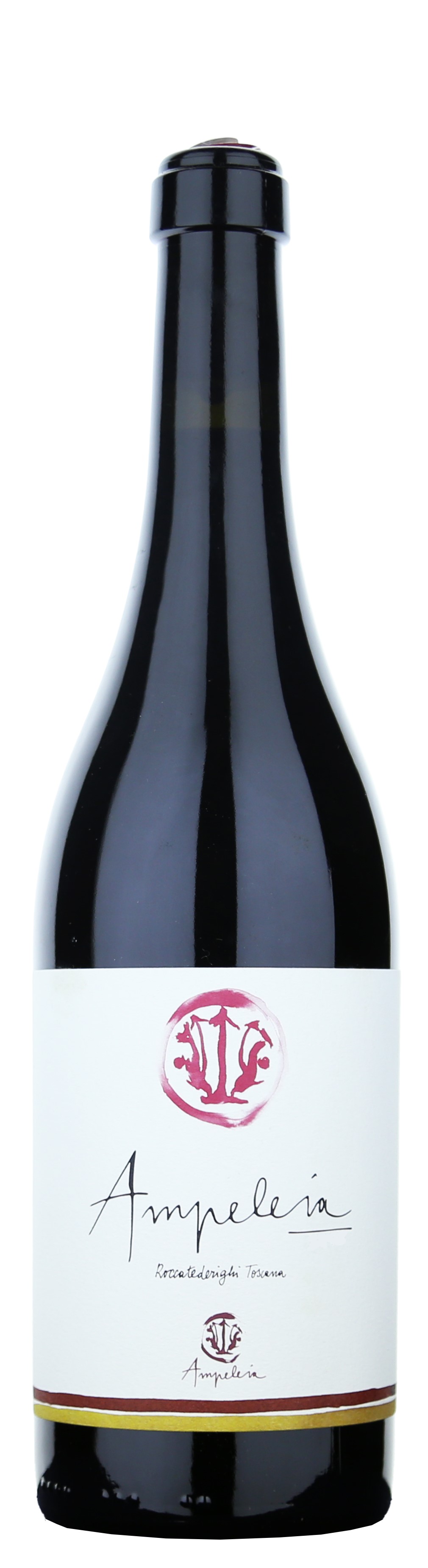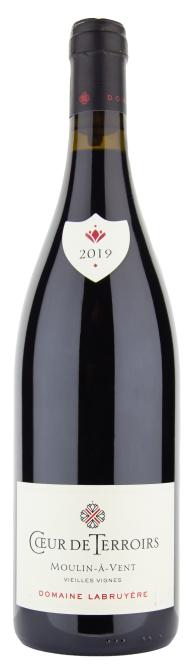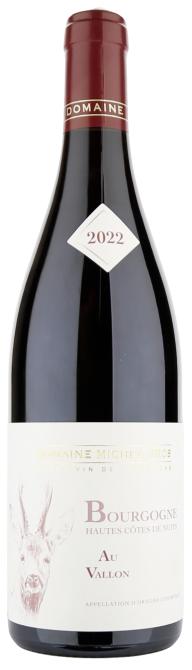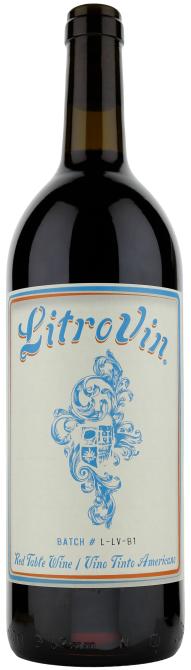
The wine is deliciously fresh, floral and fruity, with silky tannins and vibrant acidity. Elegant and supple. Blueberries, cranberries, lemon, pine needles, cloves and fresh flowers are perceived on the nose. The wine was aged for 6 months in concrete tanks and 6 months in oak barrels. Unfiltered.
Serve at 14–16 °C with meat stews with vegetables and wild mushrooms, tuna tartare, braised duck or a tomato and chorizo stew.
A juicy and nicely stemmy cabernet franc with plenty of wild berries, fresh herbs, Mezcal and white pepper funk. Generous and succulent on the palate with a medium body and fresh acidity and tannins. All delivered in a very drinkable, expressive mode. From biodynamically grown grapes with Demeter certification. Drink now. Saturday, Aug 05, 2023
Just steps away from the Tyrrhenian Sea and the medieval hills of Roccatederighi in western Tuscany, Ampeleia is a shining example of modern biodynamic winemaking, where tradition meets youthful energy and innovation.
Founded in the early 2000s, the heart of the winery is Marco Tait – a charismatic winemaker who took over the estate at just 22 years old. Under his guidance, the Ampeleia team, composed of passionate and curious young individuals, strives to create natural wines that reflect the terroir, while respecting the environment and the local landscape. The estate quickly transitioned from organic to biodynamic practices and is now fully certified as a biodynamic farm.
Wine Style
Ampeleia wines are known for their natural character, freshness, and pure aromatic expression. At the core of the estate is the Cabernet Franc grape, which the winemakers believe best represents the identity of Roccatederighi – from mineral-laden slopes to coastal breezes. Other highlights include Rhône Valley varieties such as Grenache (locally known as Alicante Nero), Carignan, and Mourvèdre, which form the base of juicy, vibrant wines like Unlitro – a stylish, easy-drinking red wine bottled in unique 1-liter formats.
Vineyards
Ampeleia oversees vineyards at various altitudes, ranging from 200 to 600 meters above sea level in the Maremma hills. This diversity allows the production of complex, elegant wines with a strong sense of origin. The estate follows sustainable agricultural practices: no pesticides are used, fertilizers are of natural origin, and vineyard work is guided by the lunar calendar.
Aging and Drinking Window
Most Ampeleia wines are aged in concrete or large oak casks, avoiding the influence of new oak. This helps preserve the wine's authenticity and fruit-forward profile. While these wines are beautifully expressive when young, many of them also have aging potential, particularly the higher-quality reds.
Today, Ampeleia is considered one of the most exciting biodynamic wineries in Tuscany, admired not only for its quality wines but also for its values – openness, community, and a deep connection to nature.