The actual product may vary from the images shown on the website.
Red dry
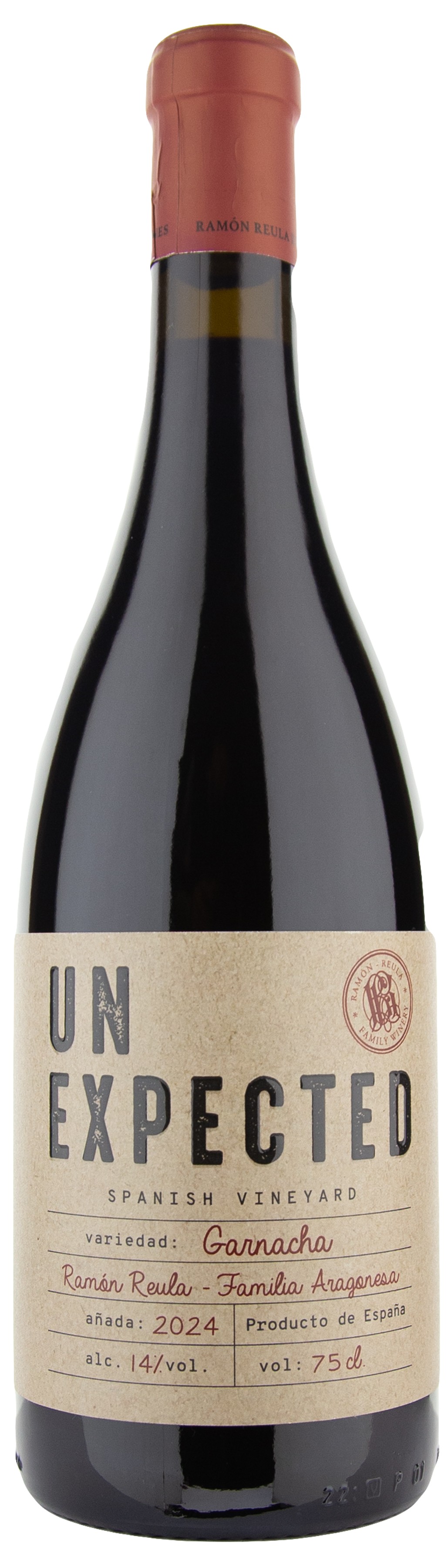
An organic single-varietal wine made from ‘Garnacha’, reflecting “Pago Aylés”’ approach to terroir and the authentic expression of the grape variety. The winery belongs to a select group of Spanish estates holding the country’s highest designation of origin classification, Vino de Pago, placing particular emphasis on the distinctive character of its own territory. Ageing in stainless steel tanks helps preserve the wine’s primary fruitiness and the characteristic expression of ‘Garnacha’.
The nose reveals notes of cherry, raspberry and other red berries, complemented by subtle hints of herbs, minerality and forest floor. Medium-bodied, fresh and juicy on the palate, with ripe fruit flavours, lively acidity and soft, silky tannins. The finish is long, retaining notes of red berries and gently spicy nuances.
The ‘Garnacha’ grapes are hand-harvested and carefully selected. Fermentation takes place under controlled temperatures to preserve the variety’s aromatic precision and fruit character. The wine is not aged in oak barrels but kept in stainless steel tanks, allowing the distinctive character of the grape variety and its terroir to come through as clearly as possible.
Residual sugar: approximately 2.5 g/l.
Total acidity: approximately 5.2 g/l.
Serve at 16-18 °C with minced pork, veal stews with vegetables, longer-aged Iberico hams, and mature sheep's milk cheeses.
Aromas of crushed blackberries and plums mingle with white pepper, dried herbs and a touch of coffee. The palate is medium- to full-bodied, firm yet succulent, with plenty of juicy fruit and a subtly bitter note that adds definition. Drink now or hold. Tuesday, Sep 30, 2025
An important wine estate located in the Aragón region of Spain. Surrounded by nature, this producer stands out for holding the highest “Vino de Pago” quality classification in Spain and for its certified organic viticulture practices.
The Ramón Reula family’s wine project began in the 1980s. At that time, it became one of the largest private historical estates in Aragón, covering an area of 3,200 hectares. “Aylés” is much more than just a winery: it is a clearly defined territory where nature and viticulture have coexisted for centuries. The landscape is shaped by the Huerva River, clay, limestone and chalk soils, as well as deep underground caves. Due to its strong focus on environmental protection, the estate follows sustainable farming practices, and since 2020 “Bodega Pago Aylés” has been officially certified as an organic winery. In addition, in 2010 the estate was granted the “Vino de Pago” classification – the highest quality category awarded to Spanish wine estates.
“Bodega Pago Aylés” wines aim to express the character of their unique terroir, combining elegance, structure and complexity. The estate’s philosophy combines respect for the natural environment with modern winemaking techniques.
Red wines: The estate is best known for its red wines, produced from grape varieties such as ‘Garnacha’, ‘Tempranillo’, ‘Merlot’ and ‘Cabernet Sauvignon’. These wines are characterised by deep colour, intense fruit and spice aromas, well-integrated tannins and a persistent finish.
White wines: Although the main focus is on red grape varieties, the winery also produces limited quantities of white wines, which stand out for their freshness, minerality and refined character.
The estate manages one large, continuous vineyard area, unique for its geographical position and soil diversity. Different microclimates within the vineyard allow both local and international grape varieties to adapt successfully to the natural conditions. This vineyard landscape is the foundation of the estate’s identity and the expression of its terroir.
Most wines from the estate are best enjoyed within five years of release, when they show their youthful freshness and vibrant fruit character. However, the more structured red wines, which spend between 12 and 24 months ageing in oak barrels before further bottle maturation, can develop significantly longer under proper storage conditions, revealing deeper and more complex tertiary aromas over time.