The actual product may vary from the images shown on the website.
White dry
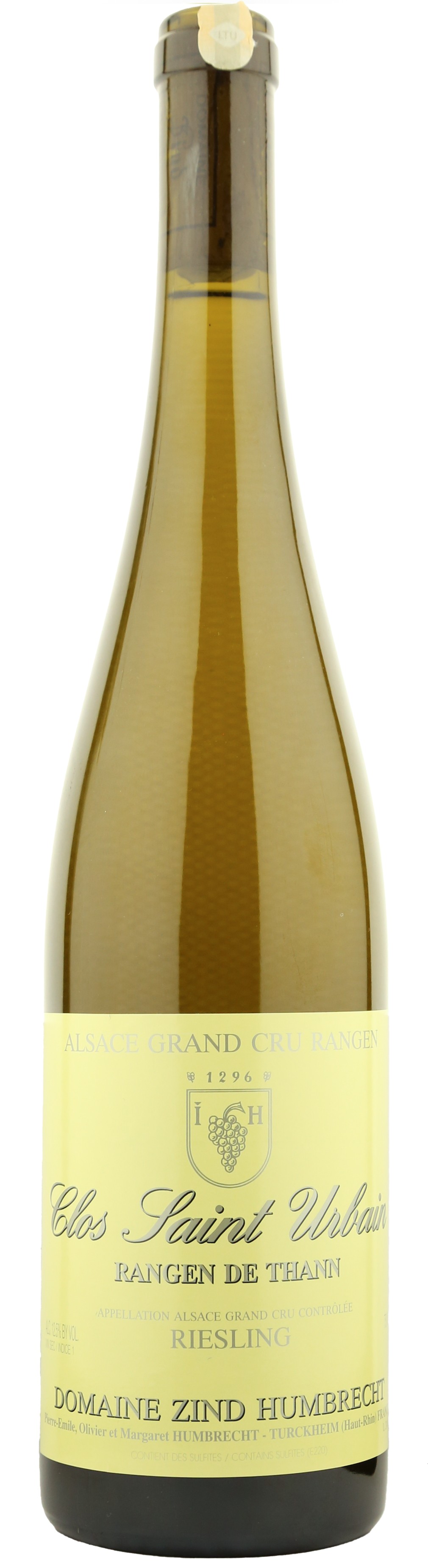
Rangen is the southernmost Grand Cru vineyard in Alsace. Moving south also means greater altitude. Greater altitude means lower temperatures. The cooler air descending through the valley also explains why this vineyard flowers so late. This is surprising, given that the southern exposure and the steepness of the slope (90%+) indicate strong sun exposure. The soil is composed of compacted volcanic ash: hard rock containing elements which, broken down and acted upon by microorganisms, form a fine clay. This clay migrates deep into the soil through the fissures in the bedrock. As the vine ages, its roots grow deeper and eventually find all the nutrients and water reserves accumulated in this clay. The volcanic rock also contains an unusually high concentration of minerals, which explains the minerality of the wines.
Intense aromas: smoky, stony, with even a hint of volcanic dust. Rich, saline texture, crisp, vibrant acidity, and a long finish. A wine with great ageing potential.
Residual sugar – 2.7 g/l.
Serve at 10–12 °C with seafood, oily fish dishes or richer soft cheeses.
The ultimate mineral dry riesling? Incredibly smoky and salty, with stacks of Amalfi lemon freshness. Breathtaking vitality and flinty minerality on the incredibly focused, medium-bodied palate. Samurai-sword finish that is hyper-straight and clean. Great potential. From biodynamically grown grapes with Biodyvin certification. Drinkable now, but best from 2025. Tasted at the Zind-Humbrecht Grand Cru Rangen vertical in November 2023.
Domaine Zind-Humbrecht is one of the most influential wine producers in Alsace, renowned for its precise expression of terroir and exceptionally high quality standards. The family’s winemaking traditions in Alsace date back to 1620, making this estate one of the oldest and most respected in the entire region.
Today, Domaine Zind-Humbrecht manages around 40 hectares of vineyards, more than 10 hectares of which belong to prestigious Grand Cru sites. The vineyards are located across various parts of Alsace, allowing the estate to work with a wide range of soils, microclimates, and vineyard exposures. This enables the production of highly precise, origin-driven wines from classic regional varieties: ‘Riesling’, ‘Gewürztraminer’, ‘Pinot Gris’, ‘Muscat’, and ‘Pinot Noir’.
In their pursuit of faithfully expressing local terroir, the winemakers of Zind-Humbrecht were among the first in Alsace to emphasize the importance of organic and biodynamic viticulture. The estate has held organic certification since 1997 and biodynamic certification since 2002. This philosophy is based on respect for nature, minimal intervention, and long-term work aimed at achieving natural balance in the vineyards.
Most vineyard work is carried out by hand, and constant attention ensures exceptionally high grape quality. Yields are deliberately kept low, so only perfectly ripe, concentrated, and balanced grapes reach the winery. In winemaking, the principles of minimal intervention are also applied: fermentations proceed slowly using natural wild yeasts, and wines are aged for extended periods – typically 12 to 24 months – until they reach full harmony.
Domaine Zind-Humbrecht wines clearly reflect both the character of each vintage and the unique personality of individual vineyards. Thanks to consistent dedication and uncompromising standards, the estate is regarded as one of the leading ambassadors of Alsace winemaking worldwide, with wines recognized and highly praised by international critics.