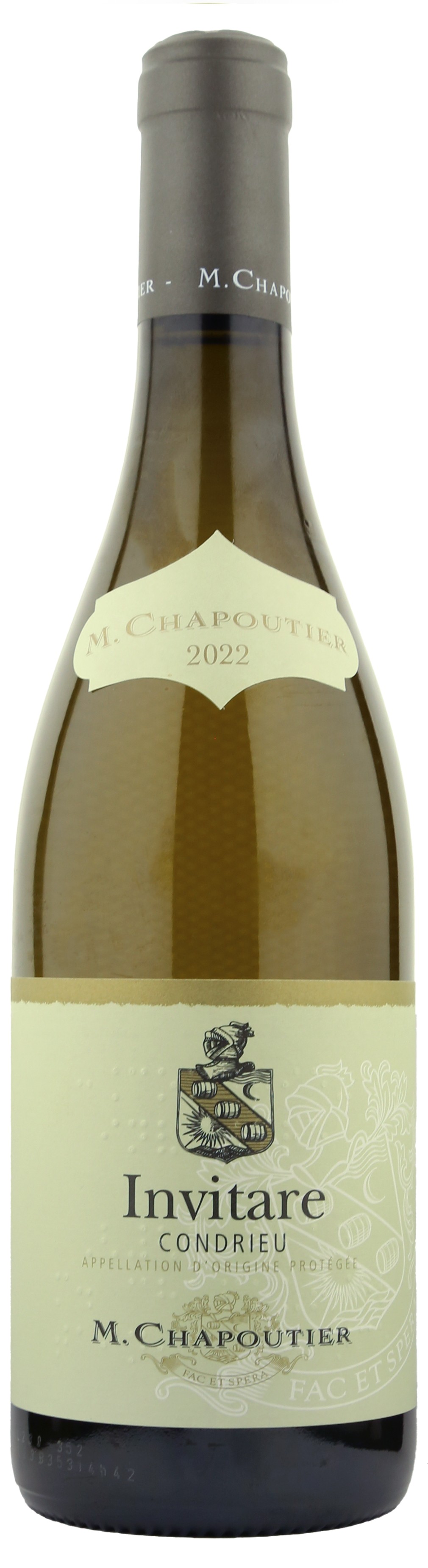
The actual product may vary from the images shown on the website.
White dry
Before fermentation, the grape juice was chilled for 48 hours. Alcoholic fermentation took place in stainless steel tanks at a controlled temperature of 16–18°C. After fermentation, the wine was aged for about 8 months in French oak barrels on the lees. 15% of the wine was aged in new barrels, while the remainder was aged in twice-used barrels.
Golden-yellow in color, the wine reveals aromas of ripe pineapple, pear, lychee, and acacia blossom. On the palate, the wine is round-bodied with medium depth, showing flavors of apricot, baked apple, and vanilla.
Serve at 10–14 °C as an aperitif, with goat cheese or Asian cuisine.
A well-rounded. textural and succulent white with notes of fresh lemons, blanched almonds, sage and some stones. It’s medium-bodied with a mineral drive. Succulent green apple character, with a positive bitterness throughout. It’s precise, lively and textured with a salivating, floral finish. Drink or hold. Tuesday, Apr 16, 2024
Maison M. Chapoutier – The Benchmark of Biodynamic Mastery in the Rhône Valley
The name Maison M. Chapoutier is inseparable from the modern history of Rhône Valley winemaking. It is one of the estates that not only brought the appellations of the Northern and Southern Rhône to international prominence, but also fundamentally reshaped the way terroir, varietal purity, and responsibility to the land are understood.
Although the Chapoutier family has been involved in wine since the 19th century, a decisive turning point came in the late 20th century when Michel Chapoutier took the helm. His vision was clear—and radical for its time: wine should not be the result of compromise, but a precise translation of place into the glass.
The Single-Varietal Philosophy
Chapoutier was among the first major producers to consistently champion single-varietal wines even in appellations where blends are traditionally permitted—or encouraged.
This is not a marketing choice, but a deliberate philosophy aimed at expressing terroir with absolute clarity:
This approach has made Chapoutier wines true reference points, widely used in professional tastings, wine education, and sommelier training as benchmarks of pure site expression.
Biodynamics as a Mark of Quality
Another cornerstone of Chapoutier’s identity is biodynamic viticulture. The estate was one of the first large Rhône producers to adopt biodynamics and today stands as the largest biodynamic wine estate in the Rhône Valley.
Here, biodynamics is not ideology—it is a practical tool:
The result is wines defined by energy, tension, and longevity—rather than simple ripeness or technical polish.
Mastery of White Wines in the Rhône Context
While the Rhône Valley is often associated primarily with red wines, Chapoutier has become one of the most important ambassadors of world-class Rhône white wines.
Cuvées such as Hermitage Blanc, Ermitage De L’Orée, Saint-Joseph Blanc, and Condrieu are characterized by:
These wines stand as compelling proof that the Rhône is capable of producing white wines of profound complexity, seriousness, and longevity.