The actual product may vary from the images shown on the website.
Red dry
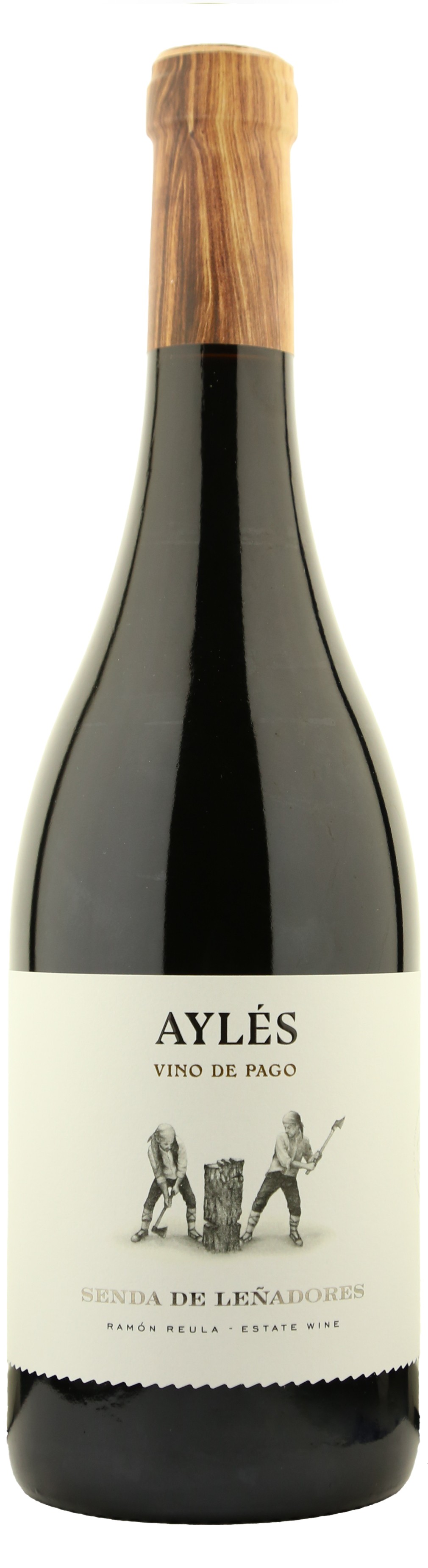
An organic red wine from Pago Aylés, one of the few estates in Spain holding the country's highest appellation status – Vino de Pago. This wine reflects the character of the Aragón terroir, shaped by warm days, cool nights, and limestone-rich soils.
The nose reveals aromas of cherries, raspberries, and blackberries, complemented by Mediterranean herbs, black pepper, subtle cocoa notes, minerality, and delicate earthy nuances. The aromatic profile remains fresh, focused, and well-balanced.
On the palate, the wine is medium-bodied, juicy, and harmonious. Ripe red fruit is supported by lively acidity, silky tannins, and a subtle mineral tension. The finish is long and dry, lingering with notes of red berries, spice, and delicate earthy undertones.
The grapes are grown in the Pago Aylés vineyards near Mezalocha, where significant diurnal temperature variation and the strong Cierzo winds help preserve aromatic precision and natural acidity. Clay, limestone, and stony soils contribute structure and minerality to the wine. Produced according to organic viticultural principles, the grapes are hand-harvested and fermented with indigenous yeasts, while the winemaking approach is designed to preserve the purity of the fruit and the expression of the terroir.
Serve at a temperature of 16-18 °C with lamb, veal, lighter game and poultry dishes seasoned with mushrooms or mature, hard cheeses.
Integrated creamy oak and spiciness to the glossy berry fruit, mixing blackberries with strawberries. Juicy on the palate with a medium to full body and polished, dusty tannins. From organically grown grapes. Drink or hold. Monday, May 29, 2023
An important wine estate located in the Aragón region of Spain. Surrounded by nature, this producer stands out for holding the highest “Vino de Pago” quality classification in Spain and for its certified organic viticulture practices.
The Ramón Reula family’s wine project began in the 1980s. At that time, it became one of the largest private historical estates in Aragón, covering an area of 3,200 hectares. “Aylés” is much more than just a winery: it is a clearly defined territory where nature and viticulture have coexisted for centuries. The landscape is shaped by the Huerva River, clay, limestone and chalk soils, as well as deep underground caves. Due to its strong focus on environmental protection, the estate follows sustainable farming practices, and since 2020 “Bodega Pago Aylés” has been officially certified as an organic winery. In addition, in 2010 the estate was granted the “Vino de Pago” classification – the highest quality category awarded to Spanish wine estates.
“Bodega Pago Aylés” wines aim to express the character of their unique terroir, combining elegance, structure and complexity. The estate’s philosophy combines respect for the natural environment with modern winemaking techniques.
Red wines: The estate is best known for its red wines, produced from grape varieties such as ‘Garnacha’, ‘Tempranillo’, ‘Merlot’ and ‘Cabernet Sauvignon’. These wines are characterised by deep colour, intense fruit and spice aromas, well-integrated tannins and a persistent finish.
White wines: Although the main focus is on red grape varieties, the winery also produces limited quantities of white wines, which stand out for their freshness, minerality and refined character.
The estate manages one large, continuous vineyard area, unique for its geographical position and soil diversity. Different microclimates within the vineyard allow both local and international grape varieties to adapt successfully to the natural conditions. This vineyard landscape is the foundation of the estate’s identity and the expression of its terroir.
Most wines from the estate are best enjoyed within five years of release, when they show their youthful freshness and vibrant fruit character. However, the more structured red wines, which spend between 12 and 24 months ageing in oak barrels before further bottle maturation, can develop significantly longer under proper storage conditions, revealing deeper and more complex tertiary aromas over time.