The actual product may vary from the images shown on the website.
White dry
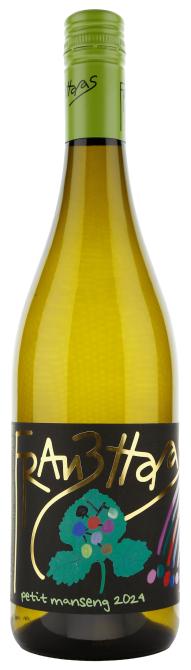
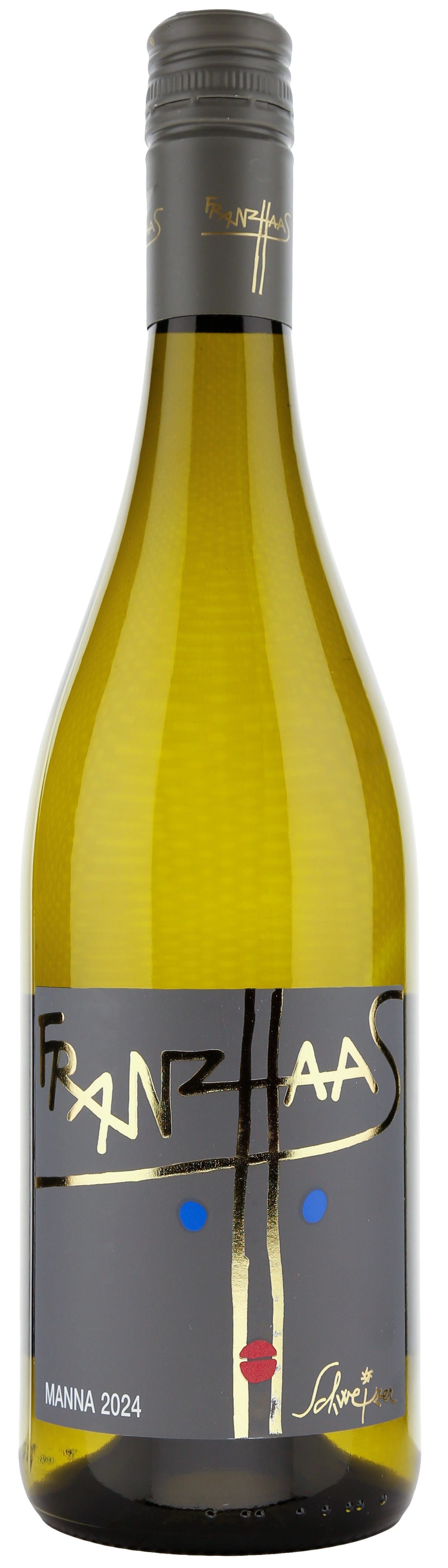
One of the estate's most iconic and complex white wines, created since 1995 as a dedication to the winemaker's wife, Maria Luisa Manna. This multi-layered blend ideally reflects the mountain terroir of South Tyrol and the winemaker's mastery in combining different grape varieties into one harmonious whole.
The aroma reveals a broad spectrum of elderflower, rose petals, acacia, pistachio, white peach, and citrus peel with subtle notes of tropical fruits. As the wine breathes, the mineral, slightly smoky, and diesel nuances characteristic of high-class 'Riesling' emerge. On the palate, the wine is concentrated yet highly elegant and energetic – a creamy texture, lively acidity, and a slightly saline mineral line are felt, smoothly transitioning into a long, multi-layered finish.
The grapes are grown in plots situated at an altitude of 350–800 meters, where dolomitic limestone, sand, marl, and porphyry rocks, along with significant temperature differences between day and night, create perfect conditions for preserving aromatic precision and natural acidity. Fermentation and aging for about ten months take place in stainless steel tanks and small oak barrels, after which the wine is additionally aged in the bottle.
Serve at a temperature of 10–12 °C. This wine is exceptionally versatile when it comes to food pairings, making it an excellent choice with sushi, sashimi, various seafood dishes, fattier fish, poultry, and spicy Asian dishes.
Franz Haas Winery – a synonym for elegance and heights since 1880.
Franz Haas is a historic Italian winery from the Alto Adige region, founded in 1880. Today, the winery is run by the seventh generation of the family, continuing long-standing traditions and creating wines that are famous not only for their quality but also for their unique style.
The family philosophy is to combine terroir authenticity, innovation and art in order to create wines that reflect the character of the mountains and the uniqueness of Alto Adige.
One of the main distinctive features of the Franz Haas winery is the vineyards planted from 240 to even 1,150 meters above sea level. Such altitudes are rare in Italy, but they allow the cultivation of grapes that produce:
Long-lasting wines with firm acidity
Wines with bright aromatic profiles
Mineral, elegant red and white wines
These conditions allow the creation of wines that retain their freshness even after many years of aging.
Soil diversity – a natural guarantee of complexity
Franz Haas vineyards stretch across different soils: from sand and gravel to fine clay and calcium-rich soil. This diversity allows winemakers to play with texture, structure and aromas, obtaining a subtle character of wines that reflect the microclimate of each area.
Artistic identity – Riccardo Schweizer labels
Each Franz Haas wine has a unique label, created by the famous Italian artist Riccardo Schweizer, who has interacted and worked with legends such as Picasso, Chagall, Le Corbusier and others. It is not just a wine label, but a work of art that stands out on the shelf and conveys the spirit of the wine.