
1–1 of 1
Lombardy (Lombardia) is a dynamic wine region in Northern Italy where Alpine coolness meets the warmth of the lakes. This category opens the door to a world of prestigious traditional method sparkling beverages and highly elegant mountain reds. Discover the authentic flavors of Italy's fashion and gastronomy capital.
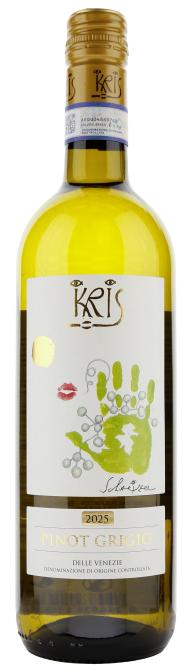
White dry
 Italy
Italy
Located in Northern Italy at the foot of the Alps, Lombardy features a highly diverse microclimate softened by the great lakes (Garda, Como, Iseo). Although the region is often associated with fashion and industry, its winemaking traditions are no less impressive. The assortment is dominated by three main directions:
Lombardy beverages are designed to pair with rich local cuisine. Franciacorta is a perfect aperitif, ideal with seafood, oysters, and light cheese snacks. The powerful and acidic Valtellina reds will flawlessly withstand the company of traditional Milanese risotto (Risotto alla Milanese), braised veal (Ossobuco), or polenta dishes.
What is Sforzato (Sfursat) di Valtellina?
It is a unique, highly powerful red beverage made from partially dried Nebbiolo grapes (similar to Amarone in the Veneto region). It features a thick texture and aromas of dark chocolate and dried fruits.
Is Franciacorta the same as Prosecco?
Absolutely not. Franciacorta is made using the traditional method (secondary fermentation occurs in the bottle) from Chardonnay, Pinot Nero, and Pinot Bianco grapes, making it much more complex and mature. Prosecco is made using the Charmat method (fermentation in steel tanks), making it lighter and fruitier.
Are beverages from this region suitable for a gift?
Yes, high-class Franciacorta or long-aged Sforzato make luxurious and highly solid gifts for those seeking Italian elegance and exclusivity.