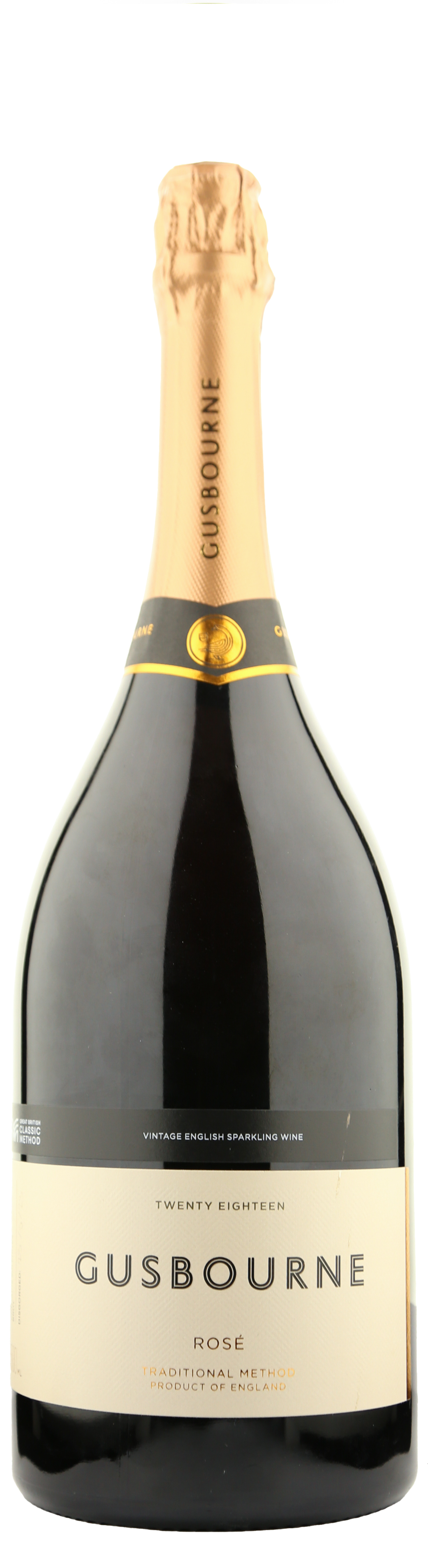
The actual product may vary from the images shown on the website.
Sparkling dry
Gusbourne Rosé Brut 2018 is a combination of elegance, subtlety and fruity freshness that perfectly reflects the potential of high-quality English sparkling wine. Made using the traditional sparkling wine production method, this wine is not only a stylish aperitif, but also a great choice for food.
The wine is matured on its lees for a minimum of 27 months.
Aroma: Complex and refined - red berry notes (raspberry, strawberry, cherry) dominate, complemented by citrus, rose petals and a barely perceptible biscuit shade.
Taste: Fresh, delicate, but at the same time expressive. A wine of excellent balance with a soft red berry aftertaste.
Serve at 6-8 °C with fresh salads, tuna tartare, light cheeses, summer fruit platters, and strawberry desserts.
Mouthwatering ripe red fruit aromas and flavours of wild strawberries, raspberries and red fruits. Aromas of fig and forest floor add complexity. Creamy and toasty flavours on the palate, with a fine mousse. Clean red fruit finish.
Gusbourne Estate – A Benchmark of English Sparkling Wine
Gusbourne Estate is one of the most prestigious wineries in England, whose name has become synonymous with top-quality English sparkling wine. Located in Kent, in south-east England, this modern yet tradition-driven estate has earned recognition not only domestically but also internationally, often being regarded as a credible competitor to leading Champagne producers.
Location and Terroir
Gusbourne’s vineyards are situated near the village of Appledore, close to the Romney Marsh plains. The area is defined by chalk and clay soils, comparable to those found in Champagne, while the mild maritime climate allows grapes to ripen slowly, preserving acidity and building complexity—key conditions for producing high-quality sparkling wine.
Grapes and Philosophy
Gusbourne cultivates only the classic varieties used for traditional sparkling wine production:
The estate follows a vineyard-first philosophy, believing that great wine is made in the vineyard. Only estate-grown grapes are used, vineyards are meticulously managed, harvesting is done by hand, and every stage of production is focused on precision and quality.
Winemaking
Gusbourne sparkling wines are known for their elegance, freshness, subtle mineral structure, and long finish. They are often described as having a “Champagne-like character,” interpreted through a distinctly British lens.
Recognition