The actual product may vary from the images shown on the website.
Red dry
The wine is made from Saperavi Budeshuri grapes, which are a Saperavi clone. Budeshuri means "elegant, graceful." The clusters are of a regular conical shape, and the grapes are oval. They ripen two weeks earlier than Saperavi. The juice color is darker and contains more anthocyanins. Saperavi Budeshuri wine is typically "rounder," softer on the palate, more subtle, yet no less complex.
Low yields – 3.5 – 4.2 tons per hectare. Grapes from the Vazisubani appellation.
The Vazisubani appellation stands out for its exceptionally high-quality red wines thanks to its dominant terroir – beneath the humus-rich topsoil lie alluvial layers of limestone, white clay, and black shale. The climate is continental and relatively warm. The vineyards are situated at approximately 550 meters above sea level. The vineyard belonging to Giorgi Solomnishvili is 25 years old, at 450 meters above sea level.
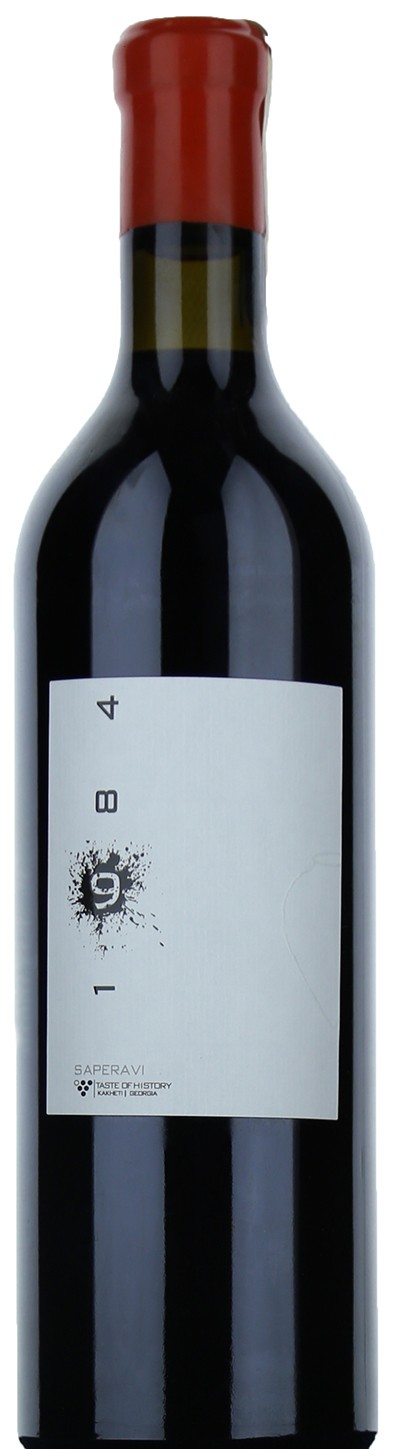
1984 – the wine is named after George Orwell's novel, as Giorgi Solomnishvili is interested in utopian literature and this work left a profound impression on him.
The wine reveals aromas of cherries, blackberries, plums, and black pepper. It is full-bodied, with rounded tannins and a long finish.
Recommended to serve at 14–16 °C. Pairs well with poultry dishes and hard cheeses.
Giorgi Solomnišvili is one of the most distinctive contemporary figures in Kakheti, producing small-batch wines at his winery in Telavi, the heart of Georgia’s wine region. His estate is focused on working with estate-grown grapes and a clearly defined authorial approach. Wine here is not made “by recipe,” but emerges as a reflection of place, vintage, and the winemaker’s decisions.
Giorgi’s path was shaped through consistent professional experience. Having worked as head winemaker at one of Georgia’s largest commercial wineries, he gained deep technical knowledge and an understanding of large-scale production. Nevertheless, he consciously chose a different direction — returning to small volumes, hands-on work, and full control over every stage of production. Today, his winery remains small in scale, producing around 20,000–25,000 bottles per year, with each wine treated as an individual and purposeful project.
In winemaking, Giorgi follows minimal-intervention principles. Particular attention is given to raw material: grapes are grown to full phenolic ripeness while preserving natural acidity and structure. Fermentation is most often carried out using native yeasts, allowing the character of the vineyard and vintage to express itself naturally.
A significant role is played by the qvevri method, used not as a stylistic statement but as a deliberate choice for specific wines. Wines aged in clay vessels show greater texture, natural tannic structure, and a clear connection to Kakheti’s winemaking tradition. At the same time, modern vessels are also employed where greater precision and control are required during fermentation.
In Giorgi’s wines, ‘Saperavi’ takes center stage, interpreted in a range of styles — from deeper, more structured expressions to more elegant, balanced wines intended for everyday enjoyment. Labels often carry personal meaning, telling stories connected to family, place, or different stages of life, while never overshadowing the wine itself.